the difference between freckles and hyperpigmentation
SEO Team · 19 November 2026
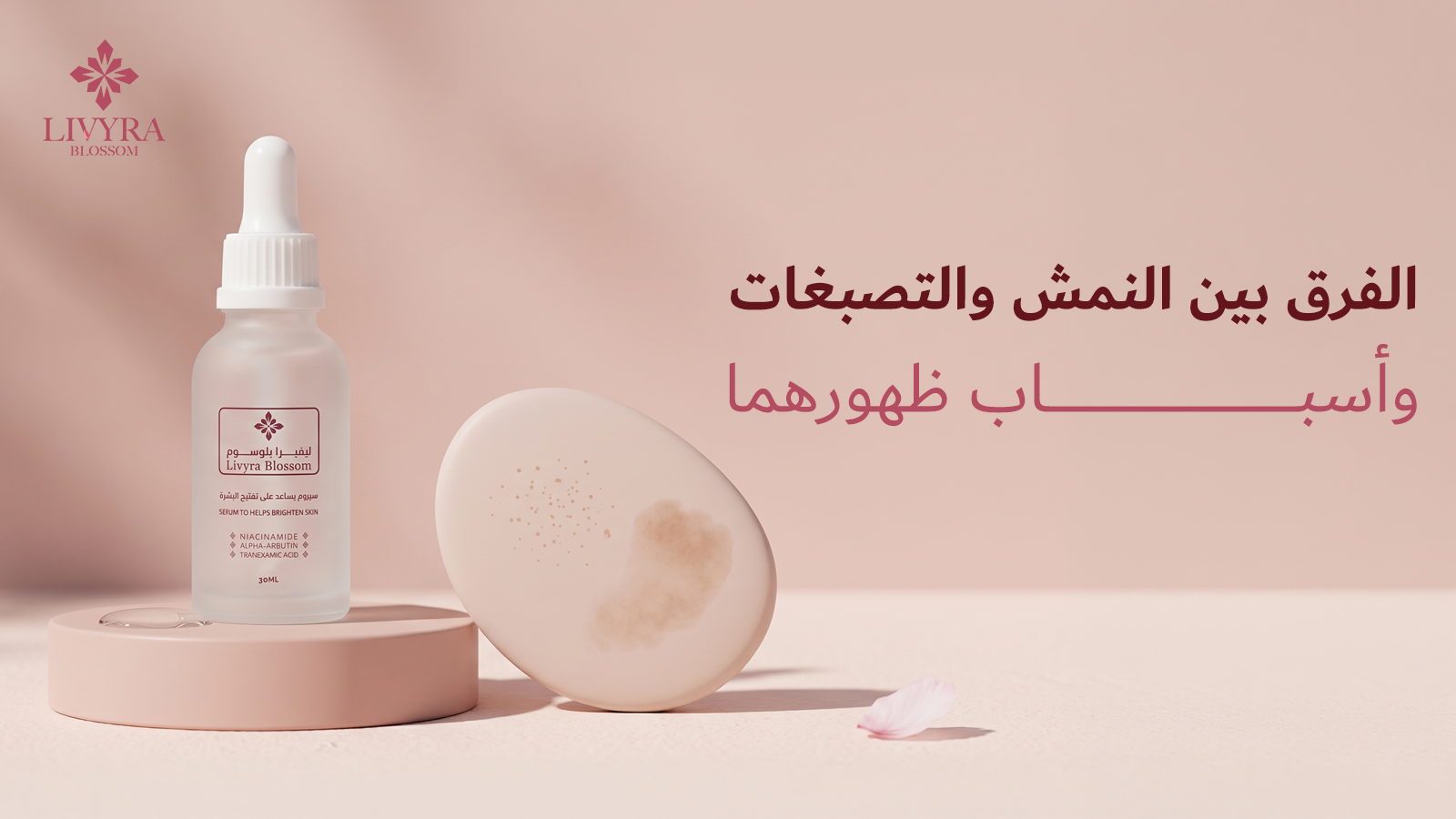
The Difference Between Freckles and Hyperpigmentation and Their Causes
Understanding the difference between freckles and hyperpigmentation helps you identify the nature of the brown spots that appear on your face and hands. They may be small spots associated with genetics and sun exposure, or dark patches caused by inflammation and hormonal changes. Identifying their nature helps you choose the right skincare approach and determine when to consult a dermatologist.
What Are Freckles?
Freckles are small, flat spots ranging from light to dark brown. They commonly appear on the nose, cheeks, shoulders, and arms due to increased melanin production in specific areas of the skin.
Their appearance is influenced by genetics and exposure to ultraviolet (UV) rays. Therefore, freckles often become more noticeable during summer and may fade during winter.
Genetic Freckles
Medically known as Ephelides, genetic freckles usually appear during childhood, particularly in people with a genetic predisposition. Their characteristics include:
- Small, flat spots.
- Become more noticeable after sun exposure.
- May become lighter during winter.
- Commonly appear on sun-exposed areas.
Solar Freckles and Sunspots
Sunspots, medically known as Solar Lentigines, develop due to the cumulative effects of ultraviolet exposure over time. They are usually larger than genetic freckles, appear on the face, backs of the hands, and shoulders, and generally remain visible throughout the year.
What Is Hyperpigmentation?
Hyperpigmentation refers to changes in skin color caused by increased melanin production or accumulation in certain areas. It may appear as small spots, dark patches, or larger areas of discoloration. Common causes include:
- Repeated sun exposure.
- Acne marks and skin inflammation.
- Skin irritation caused by harsh products.
- Hormonal changes.
- Certain medications and skin conditions.
Common types include post-inflammatory hyperpigmentation, sunspots, and melasma.
The Difference Between Freckles and Hyperpigmentation
Freckles and hyperpigmentation differ in their appearance, size, causes, and how they change with the seasons.
Appearance, Size, and Color
Genetic freckles usually appear as small, flat spots with relatively similar colors and sizes. Hyperpigmentation, however, may appear as small spots or larger, irregular patches. Sunspots are generally larger and more persistent.
When They Appear and Seasonal Changes
Genetic freckles become more noticeable during summer and may fade during winter, while sunspots typically remain visible throughout the year. Hyperpigmentation caused by acne or inflammation improves depending on the underlying cause and the depth of pigmentation.
Causes of Freckles and Hyperpigmentation
Freckles are primarily associated with genetic predisposition and sun exposure, while hyperpigmentation can develop due to several factors, including:
- Sun exposure: UV rays stimulate melanin production, increasing the appearance of dark spots.
- Acne marks: Inflammation may leave dark marks known as post-inflammatory hyperpigmentation.
- Skin irritation: Excessive exfoliation or unsuitable skincare products may contribute to pigmentation.
- Hormonal changes: These may contribute to melasma, particularly during pregnancy or when using certain hormonal contraceptives.
- Vitamin deficiencies: Vitamin B12 deficiency may be associated with increased pigmentation, although it is not the most common cause of facial dark spots.
Are Freckles or Hyperpigmentation Dangerous?
Most genetic freckles, sunspots, and other types of hyperpigmentation are harmless. However, any new spot or one that changes in size, color, or shape should be examined, especially if accompanied by bleeding or itching.
How Can You Reduce the Appearance of Freckles and Hyperpigmentation?
Certain skincare ingredients may help improve the appearance of dark spots and uneven skin tone, including:
- Vitamin C: Helps improve skin radiance and the appearance of uneven skin tone.
- Niacinamide: Helps gradually improve the appearance of pigmentation.
- Alpha Arbutin: Used in skincare products designed to target dark spots.
- Glycolic Acid: Helps exfoliate surface skin cells and improve the appearance of uneven skin tone.
You can incorporate Livyra Blossom Serum into your skincare routine to help improve the appearance of dark spots and promote a more even skin tone. Follow the product instructions and apply sunscreen daily.
When Do You Need Professional Treatments?
A dermatologist may recommend different treatments depending on the type of pigmentation, such as chemical peels, laser treatments, intense pulsed light (IPL), or prescription topical products. It is important to identify the nature of the spots before undergoing any treatment.
How Can You Prevent Freckles and Hyperpigmentation?
- Apply broad-spectrum sunscreen with SPF 30 or higher daily, and reapply every two hours when outdoors.
- Wear a hat and sunglasses, and avoid prolonged direct sun exposure.
- Avoid harsh exfoliants, excessive rubbing, and picking at pimples.
- Keep your skin moisturized to support its natural barrier.
- Monitor any changes in the size, color, or shape of existing spots.
Frequently Asked Questions
Do Freckles Disappear in Winter?
Genetic freckles usually become lighter during winter due to reduced sun exposure, but they may not disappear completely. Sunspots, on the other hand, generally remain visible throughout the year.
Can Freckles Be Removed Permanently?
Their appearance can be reduced using certain skincare products or professional treatments. However, permanent removal cannot be guaranteed, as freckles may return with sun exposure.
Can People With Dark Skin Develop Freckles?
Yes. Freckles can appear across different skin tones and are not limited to people with fair skin.
The Difference Between Freckles and Hyperpigmentation
Understanding the difference between freckles and hyperpigmentation helps you choose the right skincare approach. Genetic freckles are associated with genetics and sun exposure, while hyperpigmentation can result from several factors, including inflammation, hormonal changes, and ultraviolet radiation. Daily sun protection, avoiding skin irritation, and choosing suitable skincare products remain the most important steps toward maintaining a more even skin tone.