difference between hyperpigmentation and melasma
19 November 2026
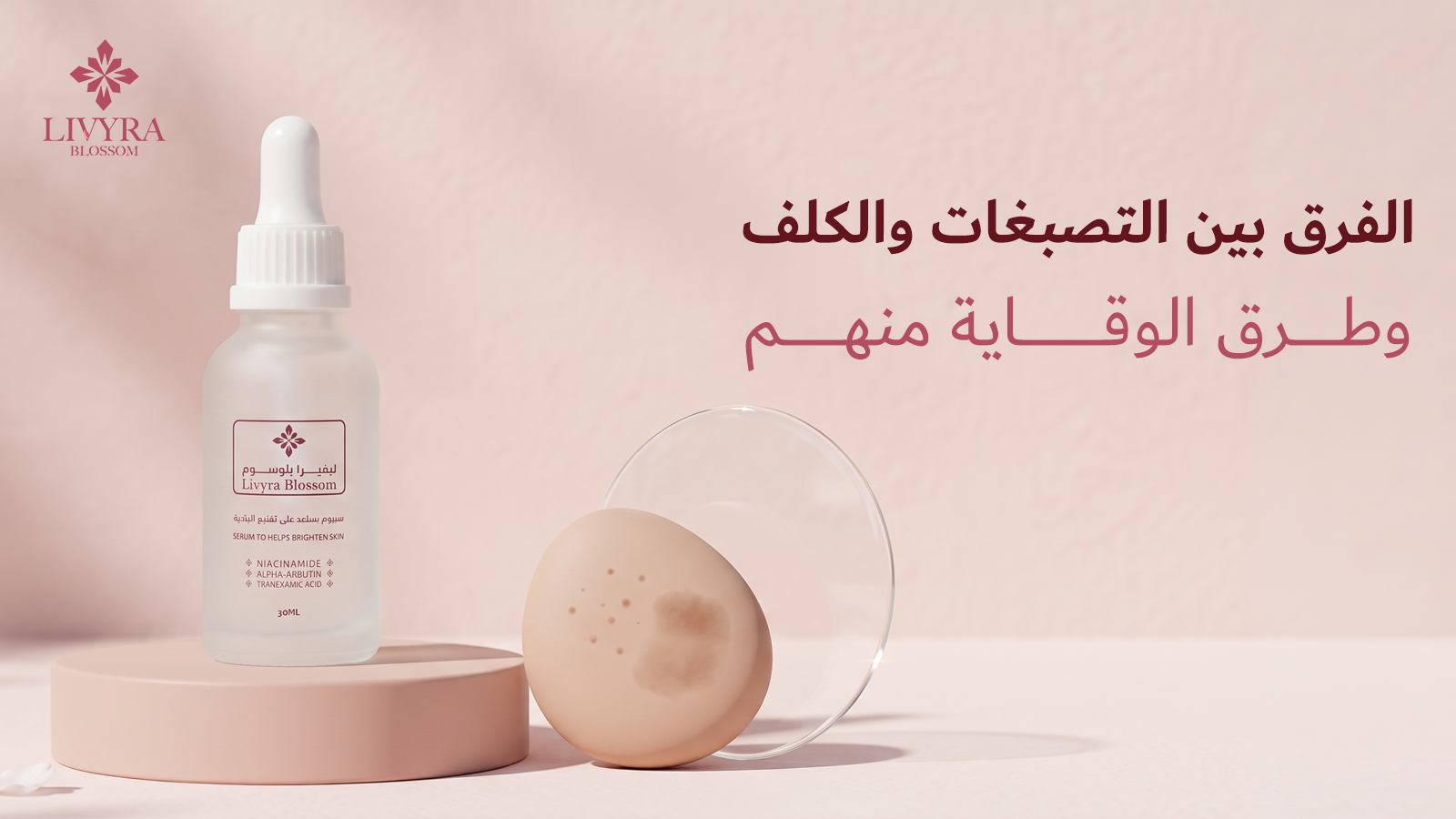
The Difference Between Hyperpigmentation and Melasma and How to Prevent Them
Many people wonder about the difference between hyperpigmentation and melasma and how to treat them. Dark spots can appear on the face for various reasons and may look similar at first, making it difficult to tell them apart. Although both conditions involve increased melanin production, they have different causes and characteristics and require different approaches to skincare.
What Is Hyperpigmentation?
Hyperpigmentation is a change in skin color caused by increased melanin production. It is a general term that includes several types of skin discoloration, such as:
- Sunspots: Caused by repeated exposure to ultraviolet rays without adequate protection.
- Post-inflammatory hyperpigmentation: Dark marks that appear after acne, eczema, skin irritation, or certain dermatological procedures.
- Age-related spots: Often appear on areas exposed to sunlight over the years, such as the face and hands.
What Is Melasma?
Melasma is a skin condition characterized by brown or grayish-brown patches, usually appearing on the cheeks, forehead, nose, upper lip, and chin.
It is associated with increased melanin activity and may be triggered by sun exposure, hormonal changes, and genetic predisposition. Although it can appear during pregnancy or when using certain hormonal contraceptives, it is not limited to pregnant women.
Types of Melasma Based on Depth
- Epidermal melasma: Pigment is located in the upper layers of the skin and usually appears brown.
- Dermal melasma: Pigment is found in deeper skin layers and may appear grayish-brown or blue-gray.
- Mixed melasma: Combines pigmentation in both superficial and deeper skin layers.
The Difference Between Hyperpigmentation and Melasma
Hyperpigmentation and melasma differ in their appearance, causes, and response to skincare.
Appearance and Location
Hyperpigmentation may appear as small, defined spots or scattered dark marks on the face and hands. Melasma usually appears as larger, overlapping brown or gray patches, often distributed symmetrically across both sides of the face.
Causes
Hyperpigmentation may result from sun exposure, inflammation, acne marks, aging, or skin irritation. Melasma is more closely associated with sunlight, visible light, hormonal changes, and genetic factors.
Response to Treatment
The response of hyperpigmentation varies depending on its type and depth. Melasma, however, may return even after improvement and often requires a consistent skincare and sun-protection routine.
Quick Comparison
How Does a Dermatologist Diagnose Pigmentation?
A dermatologist examines the skin, the color and distribution of the spots, and how long they have been present. They may also ask about sun exposure, hormonal changes, medications, and previous acne or inflammation.
When Should You See a Dermatologist?
Consult a dermatologist if you are unsure about the nature of the spots, if they persist or become more noticeable, or if you are considering strong treatments, chemical peels, or laser procedures.
How to Manage Hyperpigmentation
Skincare should be based on the underlying cause. A suitable routine may include:
- Gentle cleansing: Choose a cleanser that does not dry out or irritate the skin.
- Suitable brightening ingredients: Ingredients such as niacinamide, alpha arbutin, and certain vitamin C derivatives may help improve uneven skin tone.
- Regular moisturizing: Helps support the skin barrier and reduce dryness and irritation.
- Avoiding picking at acne: This can worsen inflammation and increase the risk of dark marks.
Why Does Melasma Require a Special Approach?
Melasma is influenced by several factors and may remain active even after the skin appears clearer. Managing it requires consistent light protection, suitable skincare ingredients, and attention to possible triggers.
The Role of Tranexamic Acid and Alpha Arbutin
Tranexamic acid has been studied for its potential role in managing melasma and hyperpigmentation. Topical formulations have shown promising results, although effectiveness varies. Oral tranexamic acid is a medication that requires medical supervision and should not be used independently for skin brightening.
Alpha arbutin is a cosmetic ingredient used in skincare products to help improve the appearance of uneven skin tone.
You can explore Livyra Blossom Serum and review its ingredients and directions for use on the product page.
Important note: This serum is not suitable for pregnant women and should be avoided during pregnancy. Consult a healthcare professional before using pigmentation products during pregnancy or breastfeeding.
Ways to Prevent Hyperpigmentation and Melasma
Broad-Spectrum Sunscreen and Reapplication
Use broad-spectrum sunscreen with SPF 30 or higher. Reapply approximately every two hours when outdoors and after swimming, sweating, or wiping your face.
Protection from Heat and Visible Light
Visible light may worsen melasma in some people. Tinted sunscreen containing iron oxides can provide additional protection. Limiting prolonged exposure to intense sunlight and heat may also help.
Avoiding Skin Irritation
Harsh exfoliants, irritating home remedies, and combining multiple active ingredients may cause inflammation and worsen pigmentation. Introduce new products gradually and choose gentle formulations.
Why Does Melasma Return After Improvement?
Melasma may become more noticeable again because its underlying triggers, such as sun exposure, hormonal changes, and genetic predisposition, may remain.
Consistent sun protection and a maintenance routine can help reduce the likelihood of recurrence.
Frequently Asked Questions
Does Melasma Disappear Permanently?
Melasma may improve significantly, but it can persist for years or return after treatment. Permanent disappearance cannot be guaranteed.
Is Melasma Only Related to Pregnancy?
No. It can also affect people who are not pregnant and may be associated with sun exposure, genetics, hormonal changes, or certain medications.
Can Melasma and Other Types of Hyperpigmentation Occur Together?
Yes. Melasma can occur alongside other forms of hyperpigmentation, such as acne marks and sunspots. A proper diagnosis helps determine the right approach for each condition.
Which Ingredients Are Safe for Melasma During Pregnancy?
Not all skin-brightening ingredients are automatically safe during pregnancy, even when applied topically. Consult a healthcare professional before introducing any pigmentation treatment.
The Difference Between Hyperpigmentation and Melasma
Understanding the difference between hyperpigmentation and melasma helps you choose a more suitable skincare approach. Hyperpigmentation is a general term for different types of skin discoloration, while melasma is a specific condition that may require long-term care. In both cases, sun protection, avoiding irritation, and choosing suitable skincare products are essential for maintaining a more even-looking complexion.